
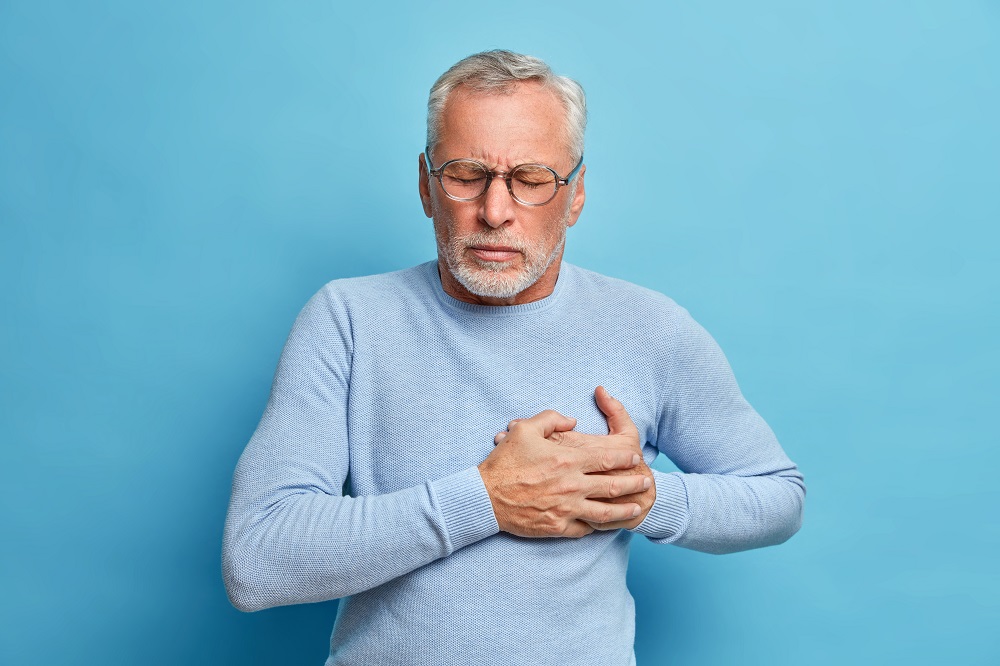
Heart disease can develop quietly, and its warning signs are sometimes mistaken for everyday exhaustion, digestive discomfort, or stress. A woman experiencing unusual fatigue, jaw discomfort, or shortness of breath may not immediately recognize a possible heart problem.
Recognizing heart disease symptoms in women can help you distinguish symptoms that require emergency attention from concerns that deserve a timely medical evaluation.
Why Heart Disease Symptoms in Women Are Often Different From Men’s
Women can experience the same major heart attack symptom as men: chest discomfort. However, some women also experience symptoms such as unusual fatigue, nausea, shortness of breath, and discomfort in the back, neck, or jaw. Symptoms vary by individual and condition, so sudden or unexplained changes should be taken seriously.
Common Heart Disease Symptoms in Women
Heart disease includes several conditions affecting the heart and blood vessels. Symptoms depend on the underlying condition and may develop gradually or appear suddenly.
Common symptoms include:
- Chest discomfort: Pressure, tightness, squeezing, fullness, or pain in the chest.
- Shortness of breath: Difficulty breathing during activity or at rest.
- Unusual fatigue: Persistent or unexpected tiredness that differs from your usual energy levels.
- Back, neck, or jaw discomfort: Pain or pressure that may occur with other cardiac symptoms.
- Arm or shoulder discomfort: Pain affecting one or both arms or shoulders.
- Nausea or vomiting: Digestive symptoms that sometimes accompany a heart attack.
- Palpitations: A racing, fluttering, pounding, or irregular heartbeat.
- Swelling: Fluid buildup in the feet, ankles, legs, or abdomen, which can occur with heart failure.
These symptoms have multiple possible causes. Their presence alone does not establish a diagnosis, but sudden, severe, or unexplained symptoms require appropriate medical assessment.
Subtle or “Silent” Warning Signs
Some women experience heart disease without obvious symptoms. Others develop warning signs that seem unrelated to the heart.
Pay particular attention to:
- Unusual fatigue: A sudden or persistent drop in energy, especially with breathlessness or chest discomfort.
- Breathlessness during ordinary activities: Unexpected shortness of breath while walking or doing familiar tasks.
- Indigestion-like discomfort: Unexplained upper-abdomen discomfort, sometimes with nausea or sweating.
- Jaw, neck, or back pain: Discomfort that appears alongside other possible heart attack symptoms.
- Lightheadedness: Dizziness or feeling faint, especially with chest discomfort or palpitations.
- New exercise intolerance: Familiar physical activities feel unusually difficult because of breathlessness or fatigue.
A heart attack can occur without severe chest pain, but chest discomfort remains a common warning sign in women and men. The absence of dramatic symptoms should never be used to rule out a heart emergency.
The American Heart Association’s heart attack guidance for women explains the range of symptoms women may experience.
Risk Factors Specific to Women
Many heart disease risk factors affect everyone, including high blood pressure, high cholesterol, diabetes, smoking, physical inactivity, and family history. Certain reproductive and hormonal factors can also influence a woman’s cardiovascular risk.
Pregnancy-Related Complications
A history of preeclampsia, gestational hypertension, or gestational diabetes is associated with higher future cardiovascular risk. Share this history with your primary care provider so it can be considered during risk assessment.
Menopause
Cardiovascular risk generally increases with age, and menopause coincides with changes in cholesterol levels and other cardiovascular risk factors. Menopause does not automatically cause heart disease, but it is a useful time to review personal risk.
Diabetes
Diabetes increases cardiovascular risk. Managing blood glucose and regularly assessing blood pressure and cholesterol can help address key risk factors.
High Blood Pressure and Cholesterol
High blood pressure can damage blood vessels, while elevated LDL cholesterol contributes to plaque buildup in arteries. Both conditions can develop without obvious symptoms.
BestMDNY provides high cholesterol management and diabetes management to help patients address these established cardiovascular risk factors.
Family History and Lifestyle
A family history of early heart disease may indicate higher risk. Smoking, limited physical activity, and certain dietary patterns can also contribute to cardiovascular problems.
A healthcare provider can assess these factors together rather than relying on any single symptom or risk marker.
Why These Symptoms Are Often Missed or Misdiagnosed
Heart disease symptoms in women may be overlooked for several reasons.
Symptoms can resemble other conditions: Fatigue, nausea, breathlessness, and upper abdominal discomfort can occur with digestive, respiratory, hormonal, and other medical conditions.
Symptoms may develop gradually: Some people experience intermittent discomfort or reduced exercise tolerance rather than a sudden, dramatic event.
Risk may be underestimated: Women may assume that heart disease primarily affects older men, even though it can affect women at any age.
Some cardiovascular conditions have few early symptoms: High blood pressure and elevated cholesterol frequently go unnoticed without screening.
These challenges make clear symptom descriptions, accurate medical histories, and appropriate testing important. Women should describe when symptoms began, how long they last, what triggers them, and whether they occur with other changes.
When to Seek Immediate Care vs. When to Schedule a Checkup
Knowing the difference between a potential emergency and a routine concern helps you choose the right next step.
Call 911 Immediately If You Experience:
- Chest pressure, squeezing, or discomfort that lasts several minutes or returns.
- Sudden shortness of breath, particularly with chest discomfort.
- Pain or discomfort in the arm, back, neck, or jaw, along with other possible heart attack symptoms.
- Cold sweating, nausea, or lightheadedness alongside possible cardiac symptoms.
- Sudden severe symptoms that make you suspect a heart attack.
Do not wait for symptoms to worsen or drive yourself to the hospital. Emergency medical personnel can begin assessment and arrange appropriate care.
Schedule a Medical Checkup If You Have:
- Recurring fatigue or breathlessness without an immediate emergency.
- Palpitations that need evaluation but aren’t accompanied by emergency symptoms.
- A history of high blood pressure, high cholesterol, or diabetes.
- A family history of cardiovascular disease.
- Questions about pregnancy-related complications, menopause, or your overall cardiovascular risk.
Routine appointments are appropriate for preventive screening and ongoing concerns when emergency symptoms are absent. If symptoms become sudden or severe, seek emergency care instead.
Heart Disease Care at Floral Park Medical and Cross Island Medical
Understanding symptoms is important, but assessing risk factors and managing existing conditions are also essential parts of cardiovascular care.
At Floral Park Medical and Cross Island Medical, patients in Floral Park and Jackson Heights, New York, can discuss heart health concerns, cardiovascular risk factors, and appropriate primary care management.
The practice provides heart disease diagnosis and treatment in Floral Park and Jackson Heights. Care may include reviewing symptoms and medical history, monitoring blood pressure and cholesterol, managing diabetes, and determining whether additional cardiac testing or specialist referral is needed.
For preventive screening, the practice also offers preventive healthcare services.
Patients with ongoing cardiovascular concerns can also read the practice’s article on coronary artery disease treatment and management. Those interested in blood pressure can review how coffee may affect blood pressure.
These resources support patient education, but they do not replace an individual medical evaluation.
Take the Next Step Toward Better Heart Health
Heart disease symptoms in women can be subtle, varied, or mistaken for other conditions. Understanding the warning signs, recognizing personal risk factors, and seeking timely evaluation can help you make informed decisions about your health.
For routine cardiovascular concerns or preventive screening, contact us to arrange an appointment. If you suspect a heart attack, call 911 immediately.
FAQs
Q1. What are the first signs of heart disease in women?
Ans: Possible signs include chest discomfort, breathlessness, unusual fatigue, jaw or back pain, palpitations, and swelling. Some women have no obvious symptoms.
Q2. Can women have a heart attack without chest pain?
Ans: Yes. Some women experience breathlessness, nausea, back or jaw discomfort, or unusual fatigue. Call 911 if you suspect a heart attack.
Q3. Can menopause increase heart disease risk?
Ans: Cardiovascular risk often increases with age, and menopause coincides with changes in cardiovascular risk factors. Individual risk varies.
Q4. How can women check their heart health?
Ans: A clinician may assess blood pressure, cholesterol, blood glucose, medical history, and symptoms to determine which screening tests are appropriate.