
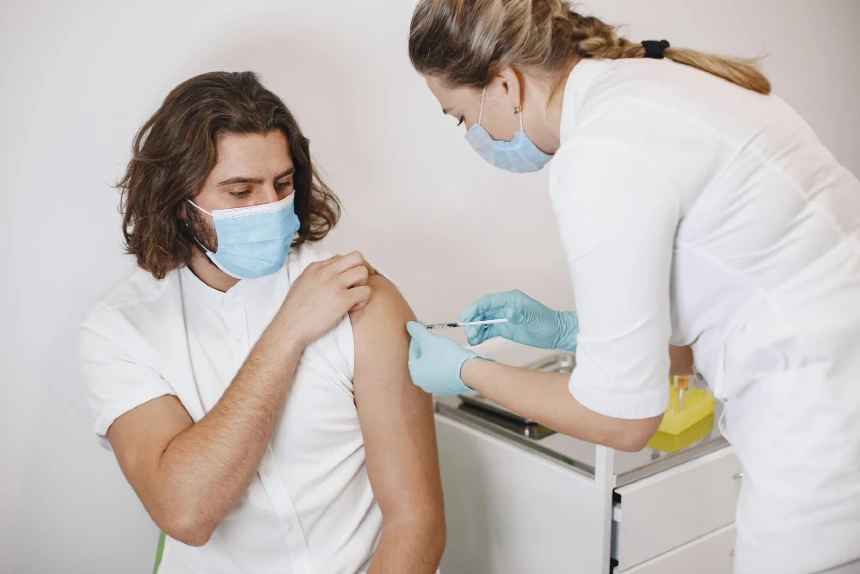
The best time to get your flu shot is late September through October. Getting vaccinated during this window gives your body about two weeks to build protective antibodies before flu activity typically ramps up in Queens and across the rest of New York City. If you haven’t gotten your shot yet, it’s not too late; vaccination still helps once flu season is underway.
When Is the Best Time to Get a Flu Shot in 2026?
The Centers for Disease Control and Prevention (CDC) recommends that most people get vaccinated in September or October. Flu season officially runs from October 1 through March 31, though cases can appear earlier and linger into spring. Waiting until Halloween to get vaccinated is a reasonable rule of thumb for most healthy adults, since it takes roughly two weeks after your shot for antibodies to reach full protective levels.
That timing matters because flu activity in New York typically climbs through November and December, then peaks between December and February. Getting vaccinated early means your protection is already in place before case counts start rising in your neighborhood, rather than trying to catch up once the flu is already spreading at work, at school, or at home.
Why Timing Matters This Flu Season
Last flu season was a rough one in New York City. During the 2025 to 2026 season, the New York State Department of Health (NYSDOH) reported a sharp week-over-week increase in flu cases across the city, with Queens seeing a 62 percent jump in a single week in December 2025. Health officials linked the surge to a newer influenza A(H3N2) strain, known as subclade K, along with typical seasonal factors like indoor gatherings, holiday travel, school sessions, and colder weather.
There’s a genuinely reassuring update for this year. The FDA (Food and Drug Administration) updated all three virus components in this season’s flu vaccine, including a specific change to better match the H3N2 subclade K strain that drove last season’s surge.
That doesn’t guarantee you won’t get the flu, since flu viruses keep evolving, but it means this year’s vaccine was built with last season’s dominant strain in mind.
For more on what last season’s flu strain meant for symptoms and when to seek care, see our earlier post on this season’s flu surge in Queens.
Who Should Prioritize Getting Vaccinated Early
Anyone 6 months and older is encouraged to get an annual flu vaccine, but the CDC places extra emphasis on certain groups getting vaccinated as early in the season as possible, since they face a higher risk of flu-related complications:
- Adults 65 and older, who are also encouraged to ask about the high-dose or adjuvanted vaccine formulations recommended for their age group, since immune response to standard vaccines can weaken with age.
- Pregnant individuals, since pregnancy changes how the immune system responds to respiratory illness.
- Children under 5, especially those under 2, who are more likely to be hospitalized if they get the flu.
- People managing chronic conditions such as diabetes or heart disease, which the flu can significantly complicate.
- People with chronic lung conditions, including asthma, which can make flu-related respiratory symptoms more severe.
If you’re managing a condition like diabetes or heart disease, the flu can significantly complicate it, which is why earlier vaccination is generally recommended for these groups.
Where You Can Get a Flu Shot
Flu vaccines are widely available in Queens through primary care offices, pharmacies, and community health clinics, and most insurance plans cover the full cost. If you’re not sure where to start, your primary care provider is a good first call, since they can review your health history and flag anything that affects timing or the type of vaccine that fits you best.
Is It Too Late If You Haven’t Gotten Your Flu Shot Yet?
No. While September and October offer the best head start, flu vaccines are given throughout the season as long as flu viruses circulate, which in New York can extend into spring. Getting vaccinated in December, January, or later still reduces your risk of getting sick and lowers the chances of a severe case if you do get the flu. The earlier you get it, the better your protection lines up with the season’s peak, but a later shot is still worthwhile.
Talk to Your Primary Care Provider About This Year’s Vaccine
The right timing for your flu shot can depend on your age, health history, and personal risk factors. Dr. Himanshu Pandya, MD, CMD, FACP, a board-certified primary care physician serving Floral Park and Jackson Heights, recommends discussing your vaccination timing as part of your regular preventative healthcare visits, particularly if you fall into one of the higher-risk groups above.
If you have questions about this year’s flu season or want to talk through your options, schedule a visit with our team.
This article is for educational and informational purposes only and is not a substitute for professional medical advice, diagnosis, or treatment.
Sources
- Centers for Disease Control and Prevention (CDC), 2026-2027 Flu Season
- Centers for Disease Control and Prevention (CDC), Interim Clinical Considerations for the Use of Seasonal Influenza Vaccines in the United States, 2026-2027 season
- U.S. Food and Drug Administration (FDA), Influenza Vaccine Composition for the 2026-2027 U.S. Influenza Season
- New York State Department of Health (NYSDOH) flu case surveillance data, as reported by PIX11, December 2025
FAQs:
Q1. When does flu season typically start in Queens, NY?
Ans: Flu activity can begin as early as October and typically peaks between December and February, though it can extend into spring in some years.
Q2. How long does it take for the flu shot to become effective?
Ans: It takes about two weeks after vaccination for your body to build the antibodies that provide protection against the flu.
Q3. Does this year’s flu shot protect against the strain that caused last season’s surge?
Ans: The FDA updated all three components of this season’s flu vaccine, specifically including a change intended to better match the H3N2 subclade K strain that spread widely last season. No flu vaccine offers complete protection against every possible strain, but this update is a meaningful improvement over last season’s formulation.
Q4. Can I get a flu shot and a COVID booster at the same visit?
Ans: Many people can receive both vaccines during the same visit. Talk with your provider about your specific health history to confirm what’s appropriate for you.
Q5. If I already had the flu last season, do I still need this year’s vaccine?
Ans: Yes. Flu viruses change from one season to the next, so a past infection doesn’t protect you against this season’s circulating strains. Annual vaccination is recommended for nearly everyone 6 months and older.