High Cholesterol is usually considered a silent condition, as it develops without apparent symptoms, quietly wreaking havoc in your nervous system. If unchecked for a long time, high cholesterol can elevate the risk of stroke or heart disease, which is a leading cause of death worldwide. However, early detection is within your control; recognizing the early symptoms of high cholesterol can be lifesaving.
In the United States, over 73.5 million adults have a high level of LDL cholesterol, amounting to 33.7% of the population. Amid the increasing cases of high cholesterol, many of the patients are unaware of the warning signs that can be lifesaving. Floral Park has been leading the way with its awareness campaigns about the warning signs of high cholesterol.
What is High Cholesterol?
Cholesterol is a waxy, fat-like substance that’s essential for building cell membranes and producing hormones. It travels through your bloodstream in two primary forms.
- HDL or High-Density Lipoprotein is referred to as “good” cholesterol. HDL cholesterol transports excess cholesterol back to the liver for removal and disposal.
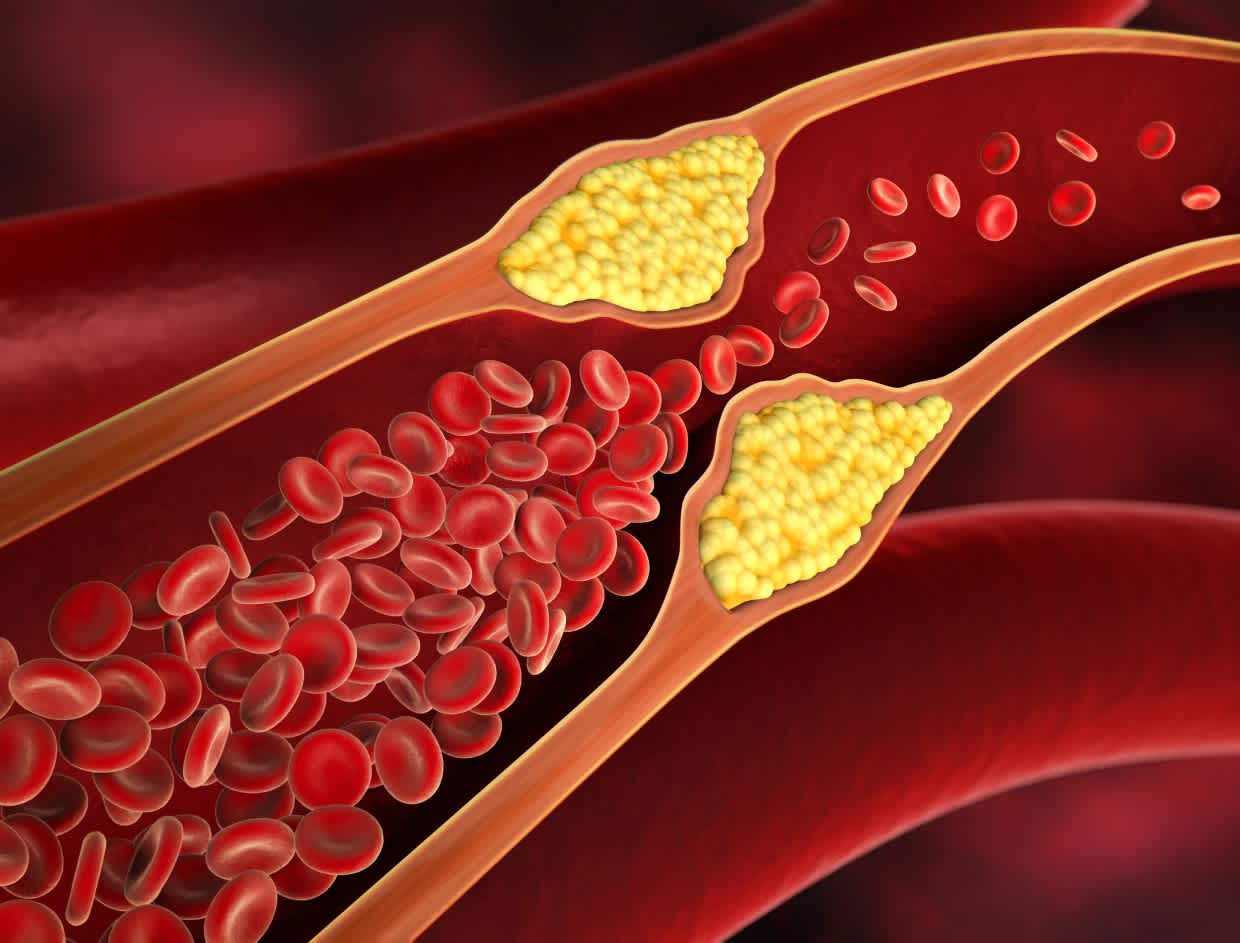
- LDL, or Low-Density Lipoprotein, is often referred to as “bad” cholesterol. It can deposit along artery walls, forming plaques that narrow blood vessels.
Normal vs. Abnormal Cholesterol Levels
- Total cholesterol: A level below 200 mg/dL is considered optimal.
- LDL cholesterol levels below 100 mg/dL are recommended for most adults; lower levels are recommended if you have heart disease.
- HDL cholesterol levels of 60 mg/dL or higher are protective.
What Causes High Cholesterol?
Genetics plays a crucial role in high cholesterol. Familial hypercholesterolemia, a genetic condition, can significantly elevate cholesterol levels even with a healthy lifestyle. However, lifestyle factors such as a diet rich in saturated fats, sedentary habits, smoking, excessive alcohol intake, and certain medical conditions also contribute to elevated levels.
What are 10 Warning Signs of High Cholesterol?
1. Chest Pain or Angina
One of the most alarming high cholesterol symptoms is chest pain, medically known as angina. This occurs when cholesterol-rich plaques accumulate in the coronary arteries, narrowing them and restricting blood flow to the heart muscle. As a result, you may experience a pressure-like, squeezing pain in your chest, especially during physical activity or periods of stress.
2. Shortness of Breath
If you experience shortness of breath during everyday activities, such as climbing stairs or walking short distances, it may be linked to high cholesterol levels. As fatty deposits accumulate in the arteries, they reduce the heart’s efficiency in pumping blood. This reduced cardiac output can cause you to feel breathless, even without intense exertion.
3. Numbness in Legs or Hands
Poor circulation is another significant sign of high cholesterol. When cholesterol deposits block blood vessels, oxygen-rich blood struggles to reach the extremities, such as your hands and legs. This reduced circulation may manifest as numbness, tingling, or even a cold, prickly sensation in these areas.
4. High Blood Pressure
High blood pressure can be linked to high cholesterol. When LDL cholesterol accumulates in the arteries, it forms plaque that thickens and stiffens the vessel walls. This rigidity forces the heart to pump harder to maintain blood flow, resulting in elevated blood pressure.
5. Dizziness or Light-Headedness
While dizziness can stem from many causes, it may also be a symptom of high cholesterol, especially when your arteries are narrowed and unable to deliver sufficient blood to the brain. This diminished blood flow can cause episodes of light-headedness or even fainting.
6. Yellowish Deposits on Skin (Xanthomas)
Xanthomas are fatty, yellowish deposits that develop under the skin, commonly appearing around the eyes, elbows, knees, and buttocks. These visible signs often indicate severely elevated cholesterol levels or genetic lipid disorders like familial hypercholesterolemia.
7. Fatigue or General Weakness
Feeling tired despite adequate rest? Chronic fatigue may be another early sign of high cholesterol. When blood flow to the muscles and tissues is impaired due to blocked arteries, your cells receive less oxygen and energy.
8. Trouble Speaking
Speech difficulties, such as sudden slurring, stuttering, or trouble finding words, can be a result of “mini-strokes,” which occur when small blood clots block vessels in the brain. These clots often originate from ruptured cholesterol plaques.
9. Blurred Vision
Blurry or obstructed vision could be caused by cholesterol affecting the tiny blood vessels of the eyes. A condition called retinal vein occlusion, which occurs when veins in the retina become blocked, may be caused by high cholesterol levels.
10. Erectile Dysfunction in Men
Erectile dysfunction may seem unrelated, but it is often linked to poor blood flow, a consequence of high cholesterol. When the arteries supplying blood to the penis become narrowed or clogged due to cholesterol deposits, maintaining an erection becomes difficult.
How to Reduce Cholesterol in 7 Days? Is it Possible
- Realistic Short-Term Results- A week of intensive lifestyle changes can lead to a modest LDL reduction of 5-10%, but significant changes require months. This shows that with dedication, you can make a difference in your cholesterol levels.
- Focus on Inflammatory Foods- Such as leafy greens, berries, turmeric, and ginger, which can help mitigate vascular inflammation associated with plaque progression.
- Incorporating Plant Sterols and Soluble Fiber- Plant sterols, which can be found in enriched foods such as margarines and orange juice, can block cholesterol absorption. Soluble fiber binds to cholesterol in the gut, aiding elimination.
Final Thoughts
By understanding the 10 warning signs of high cholesterol and taking proactive steps, you can help protect and improve your heart health. It is essential to know that controlling & managing cholesterol is important to preventing hypertension. Although some ambitious strategies promise to reduce cholesterol in 7 days, such as intensive dietary changes and exercise, it’s important to remember that sustainable lifestyle changes remain the foundation of long-term cardiovascular well-being.
Floral Park is here to guide you every step of the way. Book your lipid panel today and take charge of your heart health.
FAQ
Q. What are the 10 warning signs of high cholesterol?
A: Signs include chest pain, numbness, shortness of breath, xanthomas, high blood pressure, dizziness, fatigue, slurred speech, erectile dysfunction, and vision issues.
Q. Can high cholesterol lead to high blood pressure?
A: Cholesterol build up narrows arteries, making the heart pump harder and leading to elevated blood pressure.
Q. When should I get my cholesterol levels tested?
A: Adults should test every 4–6 years starting at age 20, or more frequently if they have risk factors.
Q. Can I get a customized heart health plan at Floral Park?
A: Floral Park offers personalized lifestyle guidance and testing to help manage your cholesterol levels and overall cardiovascular health.
Q. How does Floral Park help detect high cholesterol early?
A: Floral Park offers regular lipid panel testing and personalized assessments to catch high cholesterol early.